
Programme Considerations for a London Home Extension & Renovation
1. The Brief and Early Feasibility (2–4 weeks)
Every successful project begins with a clear brief. At this stage, the architect works with the homeowner to understand how the house needs to change—more space, improved layout, better connection to the garden, or perhaps a loft conversion or rear extension.
Early feasibility studies test what might be possible within the constraints of the property. In London these constraints often include:
- Planning policy and permitted development limits
- Party wall relationships with neighbours
- Conservation area restrictions
- Structural feasibility within existing buildings
A professionally measured survey and concept sketches typically follow. The goal is not to finalise the design but to confirm that the ambition of the project aligns with budget, planning policy and physical constraints.
2. Concept Design (3–6 weeks)
Once feasibility is confirmed, the design process moves into concept development.
During this stage the architect explores options for:
- Spatial layout
- Massing of extensions
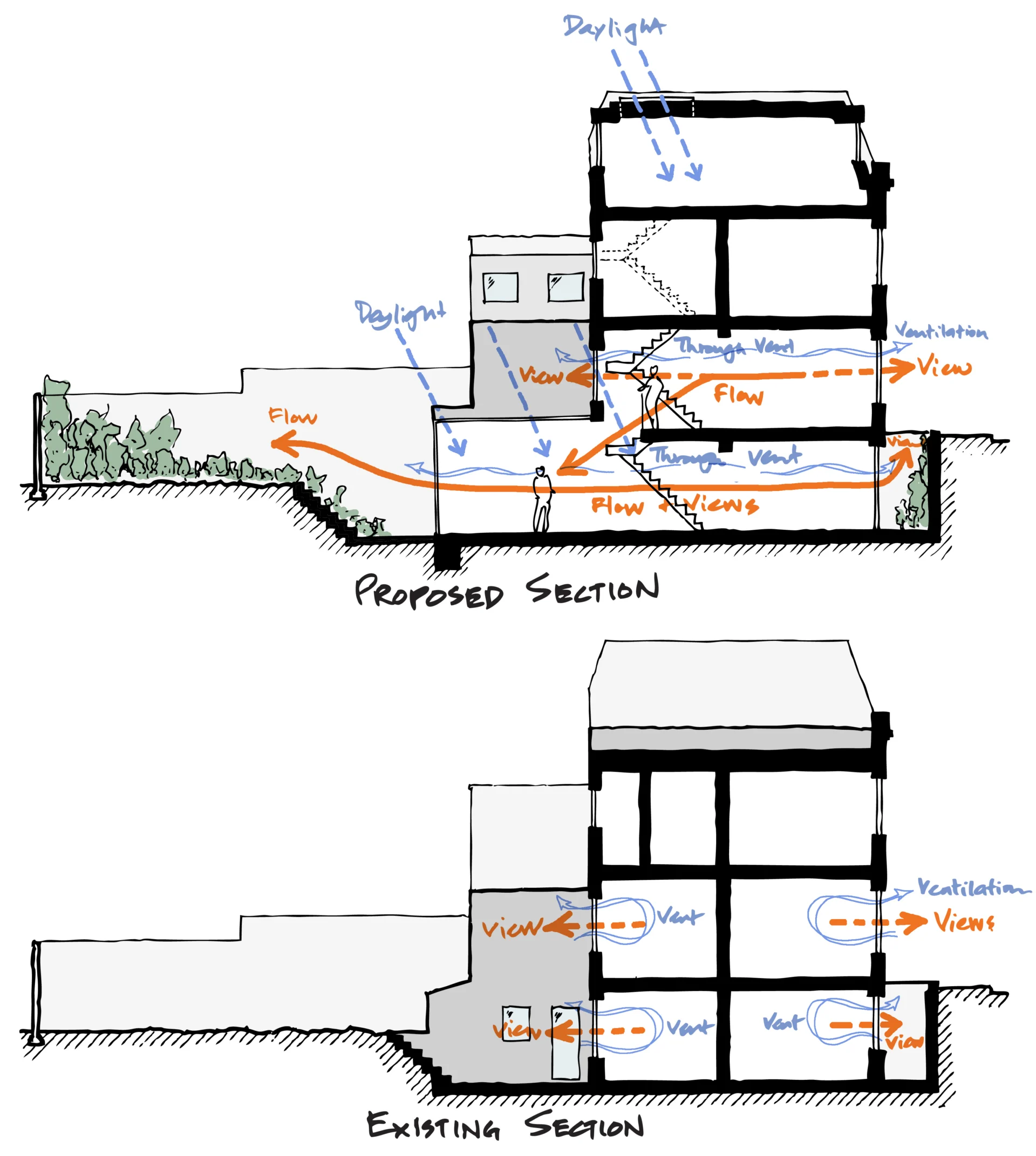
- Daylight and connections to the garden
- Circulation within the house
For London period homes, the challenge is frequently about unlocking light and improving flow rather than simply adding square metres.
Clients are usually presented with a small number of design options. Through discussion and refinement, one preferred scheme is developed ready for planning submission.
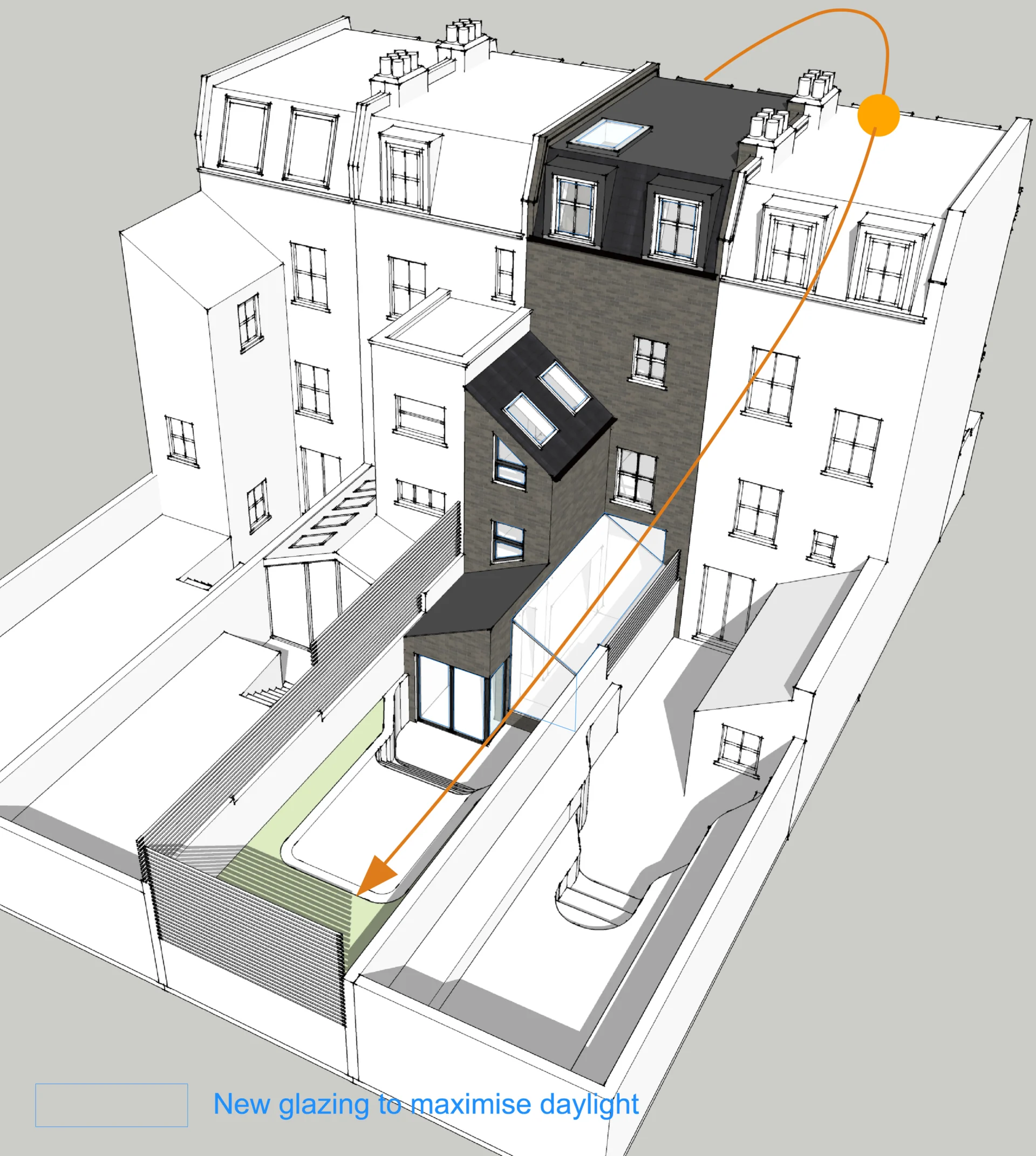
3. Planning Permission (8–12 weeks, sometimes longer)
Planning is often the biggest unknown in the programme. If the project falls within permitted development, approval can be quicker through a Lawful Development Certificate. However, many London properties — particularly flats, conservation areas, or larger extensions — require full planning permission.
A typical timeline to secure planning permission includes:
- 2–3 weeks to prepare the application package
- 2 weeks for the Local Planning Authority to validate the application
- 8 weeks statutory planning determination period
- Possible additional time if amendments are requested
Neighbour consultation, conservation constraints, and planning officer feedback can all influence the timeline. We often advise allowing contingency here — planning delays are one of the most common programme risks.
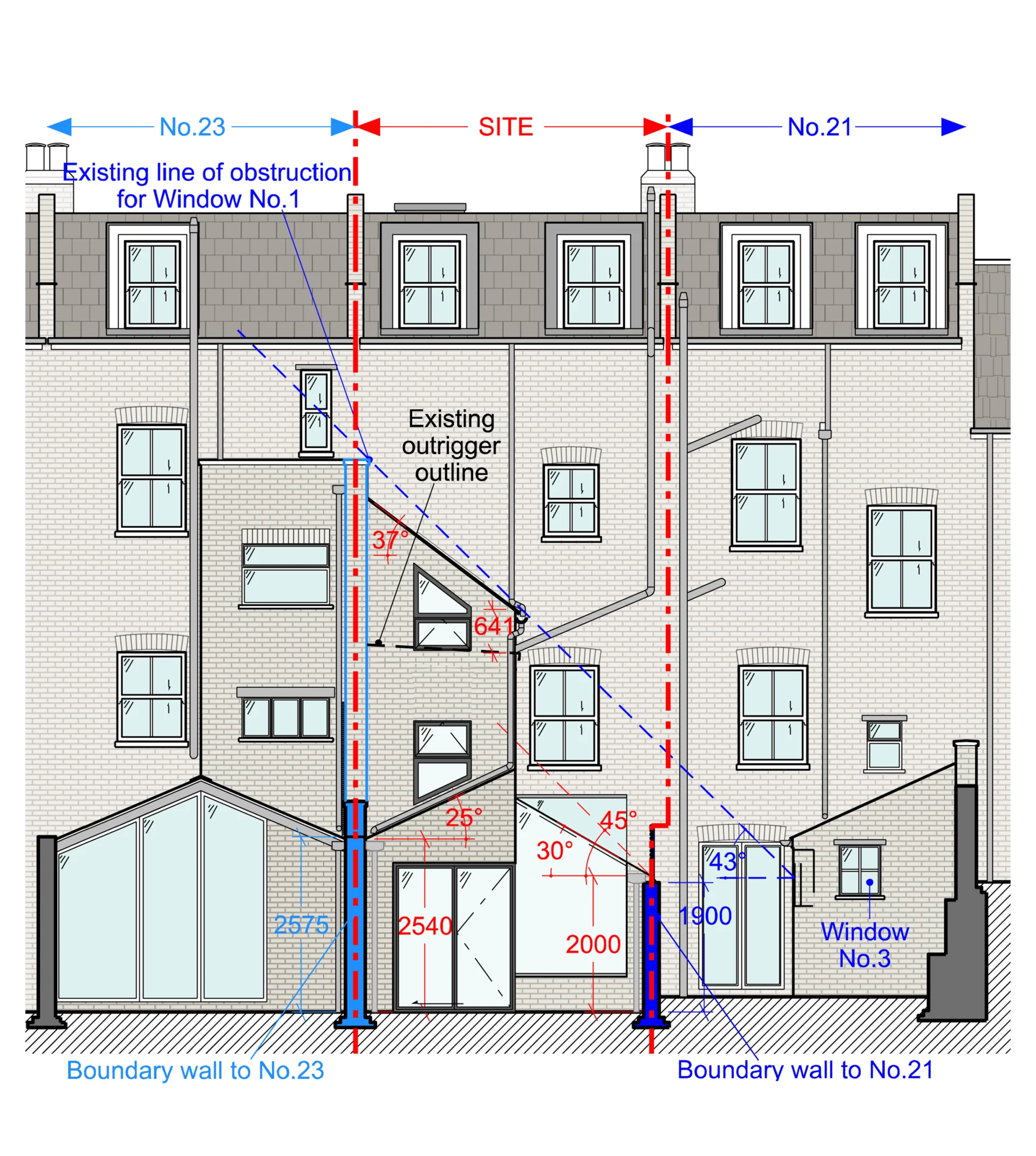
4. Technical Design and Building Regulations (6–10 weeks)
Once planning is approved, the focus shifts from what the project looks like to how it will actually be built.
This stage involves developing detailed drawings and coordinating with consultants such as:
- Structural engineers
- Building control inspectors
- Sometimes energy or drainage specialists
Construction details, structural solutions, insulation strategy and material specifications are developed so builders can accurately price and construct the project.
Skipping or rushing this stage is a common mistake. Well-developed technical drawings reduce cost surprises and site delays later.
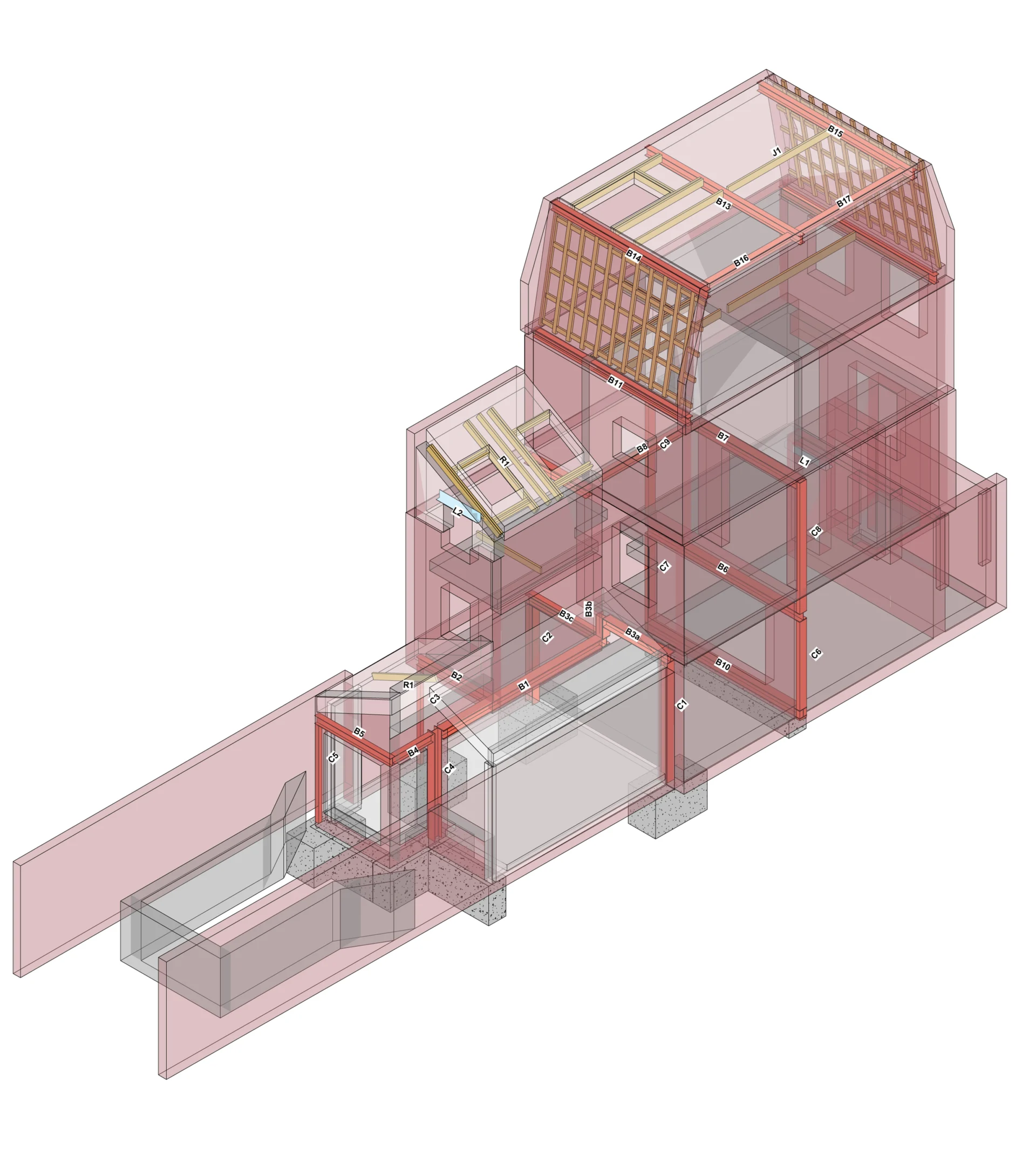
5. Tendering and Contractor Selection (4–6 weeks)
Choosing the right builder is critical.
Architects typically help clients issue a tender package to several contractors. This allows:
- Comparable pricing
- Clarification of scope
- Programme proposals from builders
The lowest price is not always the best choice. Reliability, experience with similar London houses, and realistic timelines are often more valuable indicators.
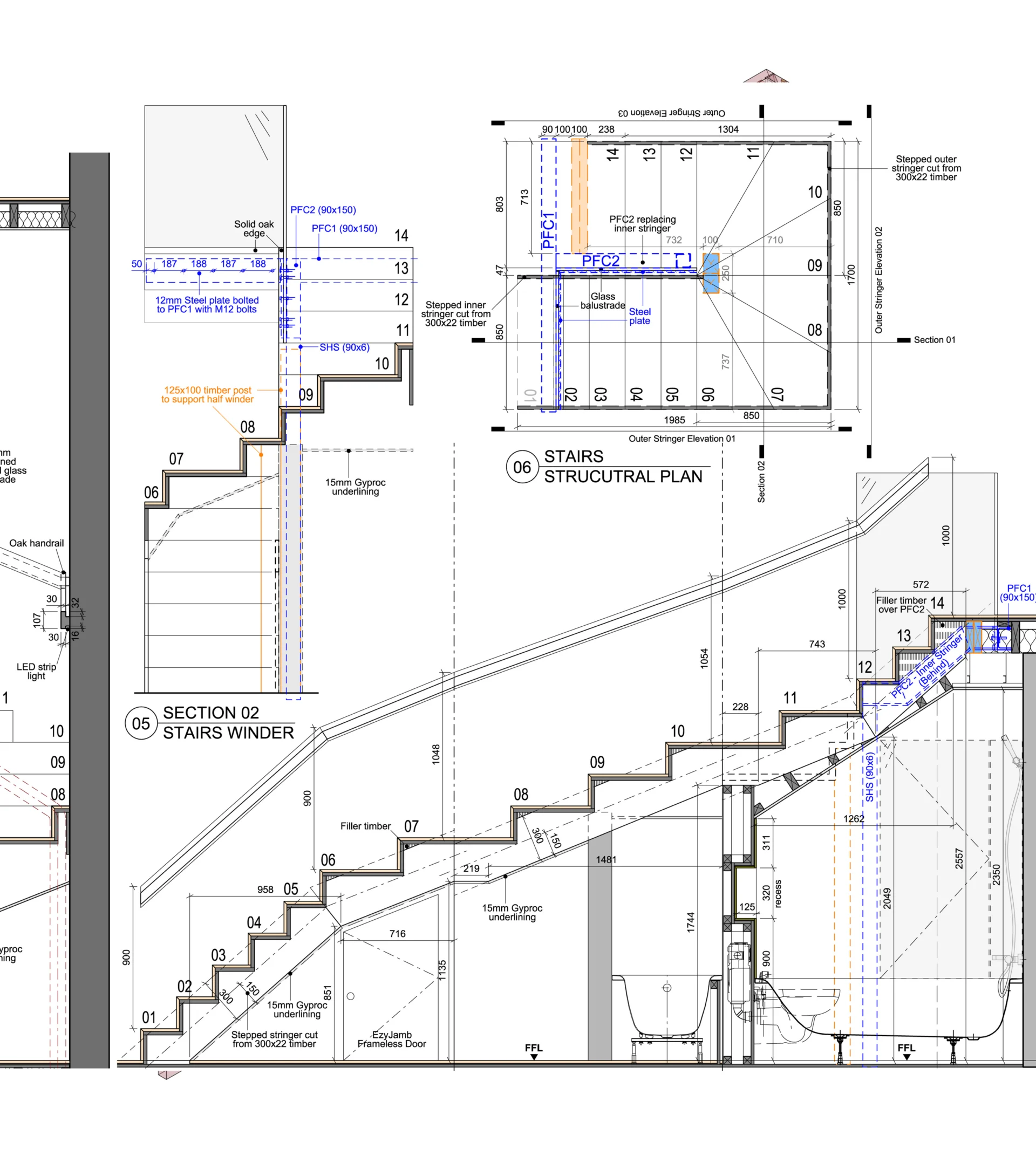
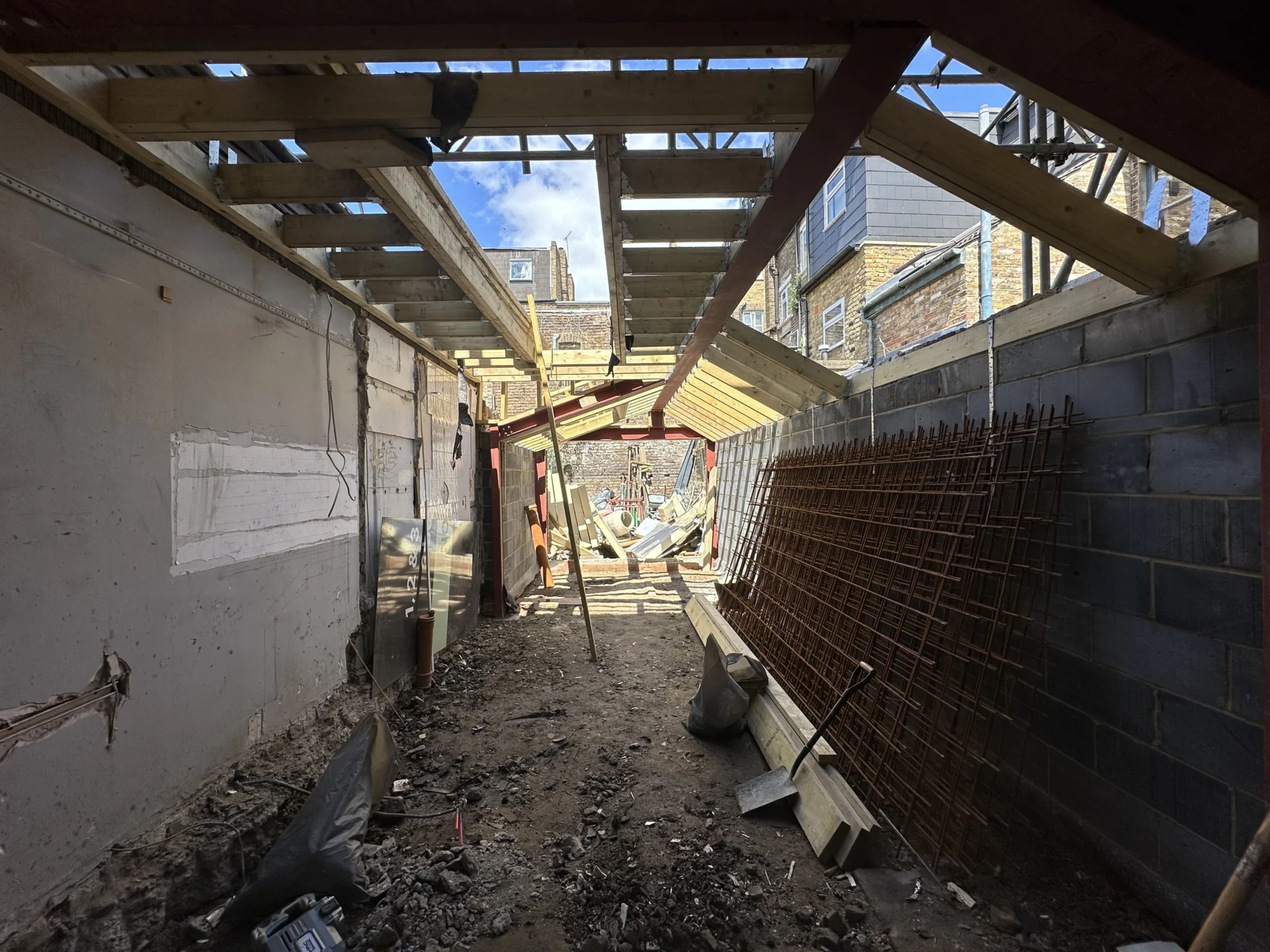
6. Construction Phase (4–8 months typical)
The build duration depends heavily on the scope of works.
Approximate ranges for typical London projects:
- Rear extension: 4–6 months
- Side return extension: 4–5 months
- Loft conversion: 3–4 months
- Full renovation with extension: 6–8+ months
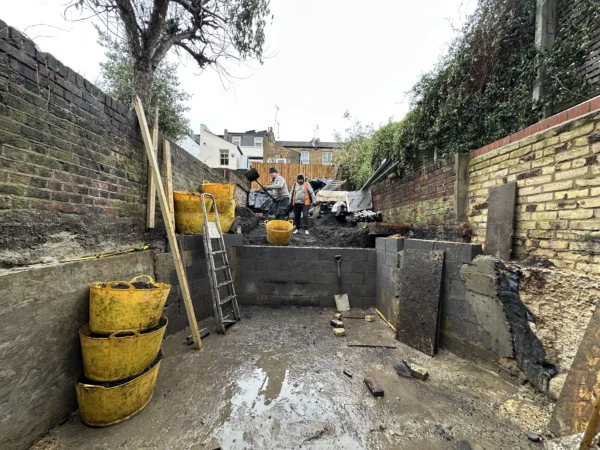
Urban construction brings its own challenges: - Limited site access
- Party wall coordination
- Neighbour considerations
- Material deliveries in dense streets
Architect-led contract administration during this stage helps manage quality, cost control and communication between homeowner and contractor.
7. The Hidden Time Factor: Decision Making
One factor that rarely appears in programme charts—but has a huge impact—is client decision-making.
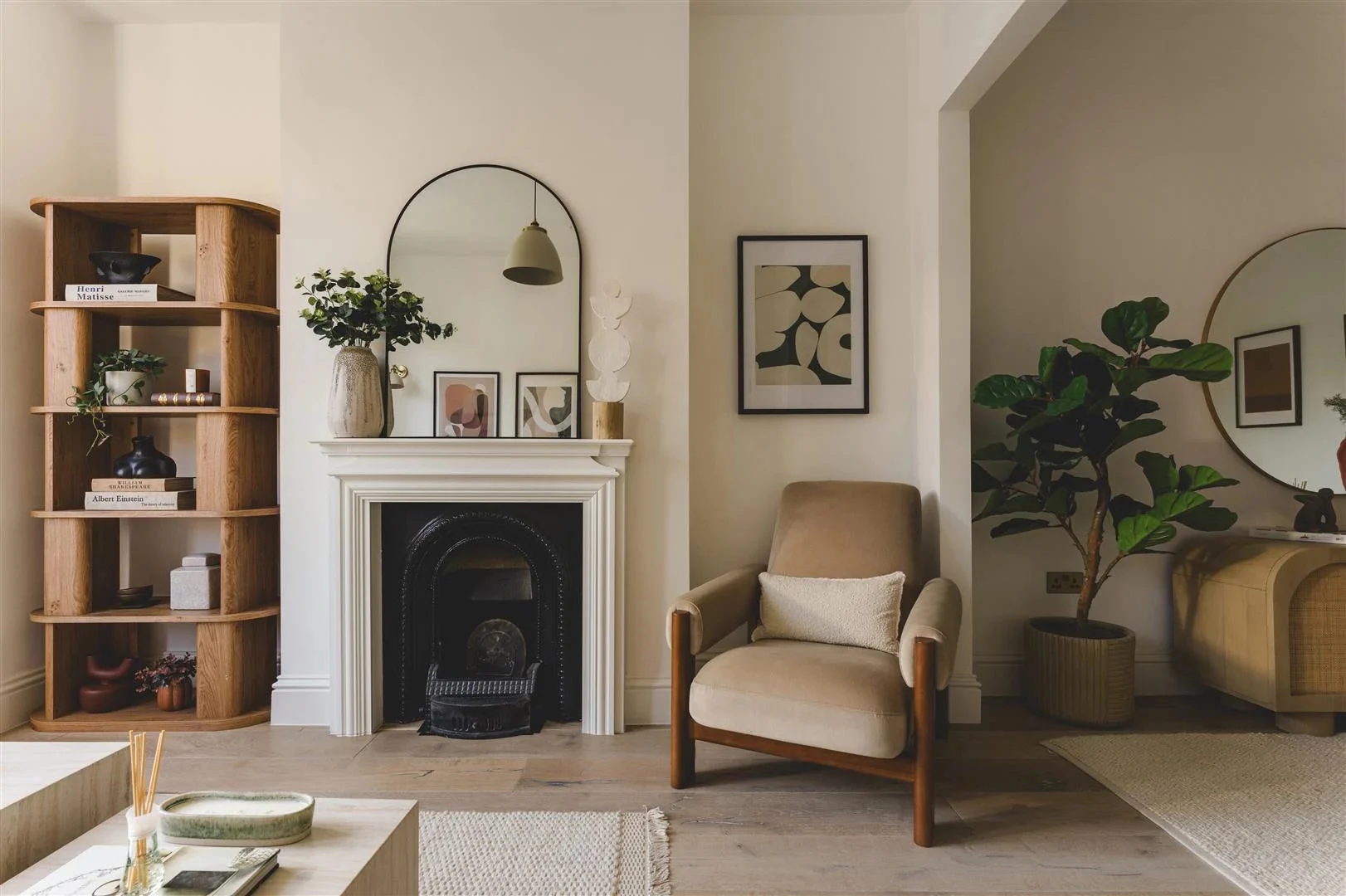
Selections for kitchens, glazing systems, flooring, lighting and finishes can easily introduce delays if left too late. Experienced architects encourage clients to make these decisions early in the technical design phase to keep construction running smoothly.
8. Realistic Overall Timeline
For a typical London extension and renovation project, a realistic end-to-end timeline often looks like:
Design + planning + technical design: 5–7 months
Tender + contractor appointment: 1–2 months
Construction: 4–8 months
Total project duration: approximately 10–16 months
Of course, every project is different. Listed buildings, complex structural work, or difficult planning negotiations can extend the programme further.
The most successful London renovation projects share a few common traits:
- A clear brief from the outset
- Adequate time allowed for design development
- Realistic expectations around planning
- Early engagement with experienced builders
When these elements align, the process becomes far more predictable — and the end result far more rewarding. A home extension is a significant investment. Giving the programme the attention it deserves is one of the most effective ways to ensure the journey, not just the finished house, is a positive experience.